

Top 10 Safest Airlines in the World in 2026
In modern society, air travel has become one of the most important modes of transportation worldwide. Every year, billions of passengers travel between countries and cities by plane. With continuous advancements in aviation technology, increasingly robust regulatory systems, and airlines placing a strong emphasis on safety management, air transport is widely recognized as one of the safest forms of transportation in the world.
However, despite the aviation industry’s overall high safety standards, there are still differences among airlines in areas such as safety management, fleet composition, pilot training, and operational standards. For this reason, professional organizations conduct comprehensive evaluations of airlines each year using multiple indicators and publish annual rankings of the “World’s Safest Airlines.”
According to the global airline safety and product rating website AirlineRatings.com, its latest report evaluated 320 airlines worldwide and identified the 25 safest full-service airlines for 2026.
The organization’s CEO, Sharon Petersen, emphasized that travelers should understand how small the safety differences are among the world’s safest airlines. Minor numerical differences in rankings should not be interpreted as safety shortcomings. She explained that the most striking aspect of this year’s results is how incredibly close the leading airlines are. The score difference among the top 14 airlines is less than four points, while the gap among the very top performers is even narrower—only 1.3 points separate the top six airlines in the full-service category.
Nevertheless, the 2026 rankings have once again drawn the attention of aviation enthusiasts and travelers around the world. Several airlines with long-standing records of operational safety continue to hold top positions, while others with modern fleets and advanced safety systems have also received high recognition.
In this article, we will introduce the Top 10 Safest Airlines in the World in 2026 and explore in depth why these airlines can maintain industry-leading safety standards in the global aviation sector.
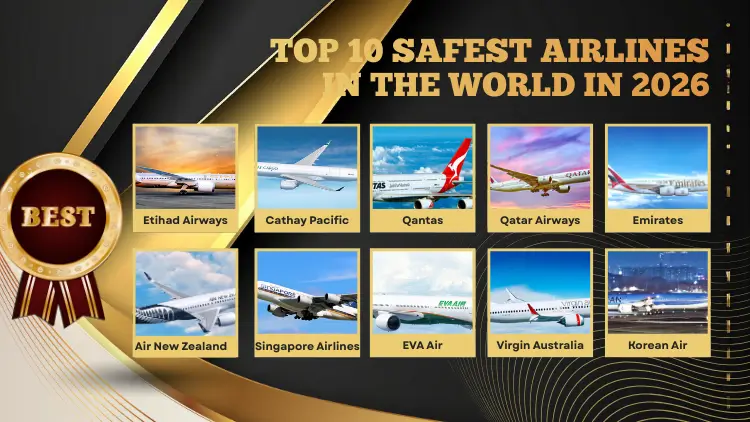
Which are the safest airlines globally in 2026?
According to the comprehensive security assessment, the ranking of the world’s safest full-service airlines in 2026 is as follows:
| Rank | Airline | Headquarters | Fleet Highlights / Safety Features |
|---|---|---|---|
| Top1 | Etihad Airways | Abu Dhabi, UAE | Boeing 787, Airbus A350; modern fleet, strict pilot training |
| Top2 | Cathay Pacific | Hong Kong, China | Airbus A350, Boeing 777; long-standing excellent safety record |
| Top3 | Qantas | Sydney, Australia | Boeing 787, Airbus A350; historic airline with outstanding safety record |
| Top4 | Qatar Airways | Doha, Qatar | Airbus A350, Boeing 787; strict operational management, advanced flight monitoring |
| Top5 | Emirates | Dubai, UAE | Airbus A380, Boeing 777; world’s largest fleet, advanced safety technology |
| Top6 | Air New Zealand | Auckland, New Zealand | Boeing 787, Airbus A320; innovative safety management, modern fleet |
| Top7 | Singapore Airlines | Singapore | Airbus A350, A380, Boeing 787; strict maintenance and pilot training |
| Top8 | EVA Air | Taipei, Taiwan | Boeing 787, Boeing 777; strict safety management, stable operations |
| Top9 | Virgin Australia | Brisbane, Australia | Boeing 737; modern fleet, strict operational safety standards |
| Top10 | Korean Air | Seoul, South Korea | Boeing 787, Airbus A321neo; modern fleet, advanced safety management |
Video: Top 10 Safest Airlines in the World in 2026
The following video is about the “Top 10 Safest Airlines in the World in 2026.
These airlines come from various regions such as the Middle East, Asia, and Oceania, but they all have excellent safety records, advanced fleets, and strict operation management systems. So, what is the ranking assessment of aviation safety? I think perhaps this is the issue that we should focus on first and foremost. Now I will give a detailed introduction.
How are the world’s safest airlines judged?
When evaluating the safety of airlines around the world, professional organizations typically rely on a multi-dimensional assessment framework rather than a single metric. For example, AirlineRatings uses a structured evaluation system to assign airlines a safety rating ranging from one to seven stars, forming the basis for its global airline safety rankings.
These ratings are not determined solely by the number of accidents. Instead, they are based on several key factors, including:
- Flight-related incident records: This includes safety events and operational incidents involving pilots.
- Long-term accident history: Particular attention is given to whether the airline has experienced any fatal accidents within the past decade.
- International safety audits: The evaluation also considers global oversight systems, such as the IOSA operational safety audit conducted by the International Air Transport Association, safety assessments by the International Civil Aviation Organization, and regulatory measures such as the airline blacklist issued by the European Union.
For its annual “World’s Safest Airlines” ranking, AirlineRatings conducts further in-depth analysis of all airlines that have achieved the seven-star safety rating. From this group, the organization identifies the top performers in different categories by comparing a variety of operational indicators, including:
- Average fleet age and aircraft technology
- Pilot training programs and overall safety culture
- Accident rates adjusted according to total flight numbers
In recent years, the evaluation criteria have also evolved. The assessment team notes that the latest methodology places greater emphasis on turbulence prevention and management, as turbulence remains a leading cause of in-flight injuries among passengers and crew.
Through this comprehensive, data-driven approach, airline safety rankings aim not only to reflect an airline’s historical safety record but also to highlight its overall capability in operational management, training systems, and risk control.
Evaluation standards for aviation safety
Aviation experts typically determine airline safety rankings through a comprehensive evaluation of several critical factors. Below are some of the key indicators that influence an airline’s safety rating—let’s take a closer look.
Airline safety record (historical safety performance)
One of the primary indicators used in these assessments is an airline’s historical accident record. Evaluation organizations usually analyze operational data spanning several decades to review each airline’s safety performance. They examine whether the airline has experienced any major accidents, how many incidents have occurred, and whether its operations have remained stable and reliable over the years.
Only airlines that maintain consistently strong safety records and stable operational performance are able to achieve the highest safety ratings.
Fleet age and aircraft technology
Compared with historical accident data, fleet age and the technological level of aircraft are also important factors in evaluating airline safety. Generally speaking, the more modern an airline’s fleet is, the higher its overall safety level tends to be. This is because newer generations of aircraft have clear advantages in materials, design, avionics systems, and flight-control technology, making them more stable and reliable than older models.
The idea is similar to the electronic devices we use in everyday life—older equipment gradually becomes outdated as technology evolves, while newer models benefit from improved software, hardware, and overall performance.
Modern airlines usually continue to upgrade and renew their fleets to maintain a lower average aircraft age. Newer aircraft not only have lower failure rates, but they are also equipped with more advanced avionics and automated systems. For example, modern passenger aircraft commonly feature digital cockpits and advanced flight management systems, which help pilots control the aircraft more precisely and reduce the risk of human error.
Today, many of the world’s leading airlines operate large numbers of next-generation wide-body aircraft, such as:
- Boeing 787 Dreamliner
- Airbus A350
- Boeing 777
These advanced aircraft represent the highest level of modern commercial aviation technology and offer significant safety advantages. They are equipped with more sophisticated navigation and flight-management systems that can calculate optimal flight routes in real time, helping pilots maintain precise guidance even in complex weather conditions or crowded airspace.
At the same time, many modern aircraft use composite-material fuselages, which reduce weight while improving fuel efficiency. These materials also enhance structural strength and corrosion resistance, further increasing overall flight safety. This is one of the key reasons why many airlines prioritize maintaining newer and more modern fleets.
Pilot training system
At the same time, pilot training is a fundamental pillar of aviation safety. Top airlines typically maintain extremely rigorous training systems. These often include regular simulator training sessions, emergency response exercises, and periodic skill evaluations for pilots.
The purpose of these programs is to ensure that pilots can respond quickly and decisively in unexpected situations. Through continuous training, pilots are better prepared to handle complex scenarios such as severe weather conditions, technical malfunctions, or other in-flight challenges.
With strong training systems in place, pilots are able to maintain stable and precise control of the aircraft while applying the most effective solutions as quickly as possible. Ultimately, these training standards play a critical role in protecting the safety of everyone on board, which is the true meaning of aviation safety and professional responsibility.
International safety certifications
Airlines around the world are typically required to obtain several international safety certifications, such as:
- IOSA (IATA Operational Safety Audit)
- ICAO International Civil Aviation Safety Standards
These certifications require airlines to strictly comply with global aviation safety regulations and undergo regular audits and inspections to ensure that their operational standards remain consistently high.
Aircraft maintenance and safety management system
In addition to the factors mentioned above, aircraft maintenance and management are also crucial to ensuring flight safety. After all, every aircraft carries the lives of everyone on board, and a highly reliable aircraft can bring peace of mind to millions—even billions—of travelers.
Top airlines usually maintain comprehensive maintenance systems. Aircraft are inspected and serviced on a regular schedule, while advanced aircraft health-monitoring systems and comprehensive safety management systems are used to continuously track performance and detect potential issues. These procedures help reduce hidden risks and ensure that aircraft operate in the safest possible condition while carrying out their missions.
These are some of the key criteria used in evaluating airline safety rankings. Next, we will take a closer look at 10 airlines featured in the in-depth analysis of the world’s safest airlines in 2026.
In-Depth Analysis of the World’s Safest Airlines in 2026
Next, we will provide a detailed introduction to the airlines that made it onto the 2026 list and explain why they were able to become one of the safest airlines in the world.
- Etihad Airways
- Cathay Pacific
- Qantas
- Qatar Airways
- Emirates
- Air New Zealand
- Singapore Airlines
- EVA Air
- Virgin Australia
- Korean Air
1. Etihad Airways
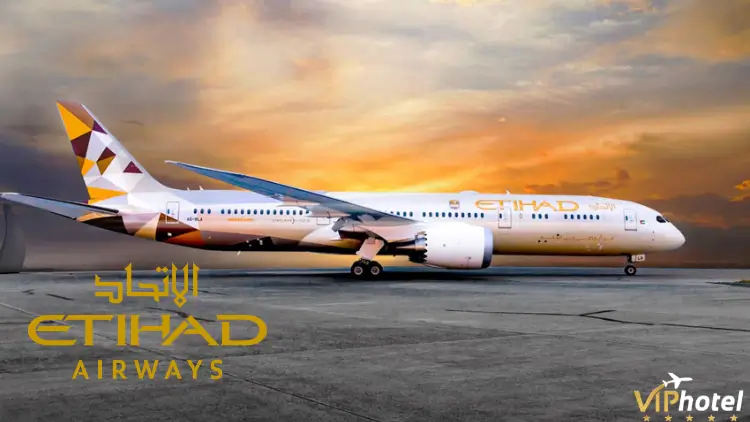
Etihad Airways, headquartered in Abu Dhabi, UAE, is the country’s second-largest airline and one of the most prominent international carriers in the Middle East. Since its founding in 2003, Etihad Airways has rapidly grown into a significant force in the global aviation industry, operating direct flights to approximately 40 destinations across the Middle East, Asia, Oceania, Europe, Africa, North America, and South America.
The airline boasts a highly modern fleet, including a large number of Boeing 787 and Airbus A350 aircraft. These advanced models are equipped with the latest flight control systems and safety technologies, ensuring a superior level of operational reliability. Etihad Airways offers a variety of cabin configurations, including three-room villas, first-class apartments, first-class suites, business suites, and Economy Smart seats. At its hub, Abu Dhabi International Airport (AUH), the airline provides first-class lounges, premium lounges, and arrival lounges for first- and business-class passengers, and it operates seven additional lounges at other airports worldwide.
In addition, Etihad Airways invests heavily in pilot training, flight data monitoring, and operational safety. Through a strict safety management system and the use of advanced technology, Etihad Airways has been recognized as one of the safest airlines in the world in 2026, demonstrating its unwavering commitment to passenger safety and excellence in aviation.
2. Cathay Pacific
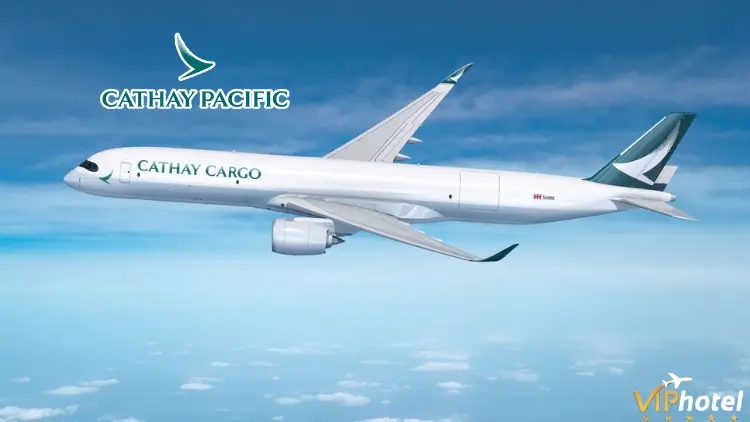
Cathay Pacific is one of the most influential airlines in Asia, headquartered in Hong Kong. Since its founding in 1946, Cathay Pacific has been renowned for its high safety standards and premium service. As a founding member of the oneworld Alliance, Cathay Pacific is ranked second among the safest airlines in the world in 2026. Its network covers over 190 destinations across Asia, Oceania, Europe, Africa, and North America, with multiple premium lounges established at key international airports.
The airline operates a modern fleet, including advanced aircraft such as the Airbus A350 and Boeing 777. Cathay Pacific also maintains strict flight standards and a comprehensive safety management system, ensuring the highest levels of operational safety. In addition, it provides exceptional services to first-class passengers, Marco Polo Club Silver, Gold, and Diamond members, as well as Cargo Elite members, earning widespread praise. Oneworld frequent flyers can also access select Cathay Pacific lounges at Hong Kong International Airport.
Thanks to its long-standing and stable safety record, Cathay Pacific is consistently recognized as one of the safest airlines in the world, reflecting its unwavering commitment to passenger safety and excellence in aviation.
3. Qantas
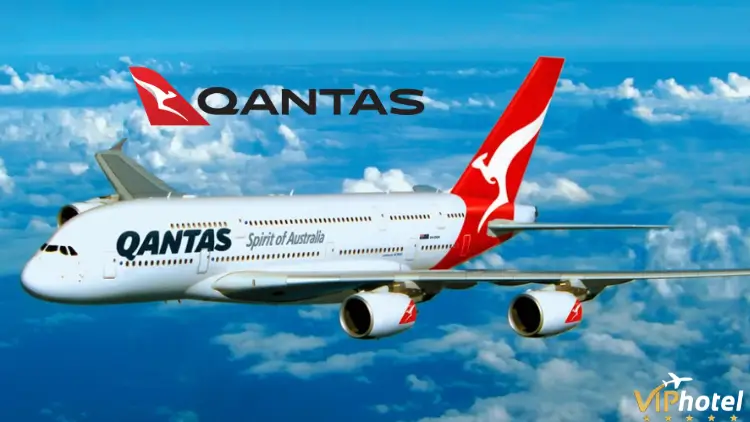
Qantas, founded in Queensland in 1920, is one of the oldest airlines in the world. Over the years, Qantas has been widely regarded as a benchmark for aviation safety, playing a central role in both Australian and international aviation development. Its frequent flyer program is the largest in Australia, with over 12 million members. The Qantas Group operates more than 7,300 flights per week and, in collaboration with codeshare partners and oneworld alliance members, serves over 1,000 destinations worldwide.
The airline has made numerous important contributions to flight safety technology and maintains an exceptionally strong safety record. Its fleet includes advanced aircraft such as the Boeing 787 Dreamliner and Airbus A350.
Thanks to its long-standing and consistently safe operations, Qantas enjoys an outstanding reputation in global aviation and is recognized as one of the safest airlines in the world.
4. Qatar Airways

Qatar Airways was founded in 1993 and is headquartered in Doha, Qatar. It is widely regarded as one of the fastest-growing airlines in the world. Qatar Airways operates flights to around 198 destinations across six continents, connecting major cities across the globe.
The airline is well known for its luxurious travel experience and operates a fleet of approximately 265 aircraft, supported by more than 32,000 employees. It is also a key member of the oneworld Alliance, alongside partners such as British Airways, American Airlines, and Cathay Pacific. In the Middle East, Qatar Airways has become a preferred choice for international transfer passengers. Its main hub is Hamad International Airport (DOH), which serves as a major global transit center connecting more than 170 destinations in over 90 countries across the Middle East, Europe, Asia, Africa, North America, and Australia.
Qatar Airways operates one of the most modern fleets in global aviation, including advanced aircraft such as the Airbus A350 and Boeing 787 Dreamliner. The airline invests heavily in flight safety management, while also maintaining a strict pilot training and operational safety system.
Through these continuous efforts and high standards, Qatar Airways has maintained an excellent safety record for many years and is consistently recognized as one of the safest airlines in the world.
5. Emirates

Emirates is one of the largest international airlines in the world, headquartered in Dubai. It is the largest airline in the Middle East and one of the two national carriers of the United Arab Emirates. The airline operates from its main hub at Dubai International Airport (DXB), offering direct flights to more than 140 destinations across 78 countries. Emirates is also one of the few airlines whose network spans all six inhabited continents.
Emirates’ fleet mainly features three-class configurations (First Class, Business Class, and Economy Class), along with some two-class aircraft (Business and Economy). First Class offers a range of premium seating options, including private suites, lie-flat seats, and fully enclosed sleeping suites. The airline operates 33 premium lounges worldwide, available to First Class passengers, Business Class passengers, and Skywards Gold members.
Emirates operates the world’s largest fleet of Airbus A380 aircraft, while also flying a large number of Boeing 777 jets. Its modern fleet, strict aircraft maintenance programs, and high-level pilot training systems have helped the airline maintain an excellent safety record for many years. As a result, Emirates is widely recognized as one of the safest airlines in the world.
6. Air New Zealand

Air New Zealand is widely known for its innovative approach and exceptionally high safety standards. As the flag carrier of New Zealand, the airline plays a crucial role in connecting the country with the rest of the world. Air New Zealand operates direct flights to more than 20 domestic destinations, as well as international routes to Australia, the Pacific Islands, Asia, North America, South America, and the United Kingdom.
As a member of the Star Alliance, Air New Zealand also provides passengers with convenient connections to hundreds of destinations worldwide, giving travelers access to an extensive global network through its partner airlines.
The airline operates a modern and fuel-efficient fleet, including advanced long-haul aircraft equipped with the latest aviation technology. Air New Zealand also utilizes sophisticated flight monitoring and data analysis systems to continuously track aircraft performance and enhance operational safety. These technologies allow the airline to identify potential issues early and maintain high reliability across its operations.
In addition, the airline places strong emphasis on pilot training, operational procedures, and strict safety management systems. Through ongoing technological innovation, rigorous maintenance programs, and disciplined operational standards, Air New Zealand has consistently maintained one of the highest safety ratings in the aviation industry.
Thanks to these efforts, Air New Zealand is frequently recognized as one of the safest airlines in the world, earning the trust of millions of passengers traveling across the globe each year.
7. Singapore Airlines
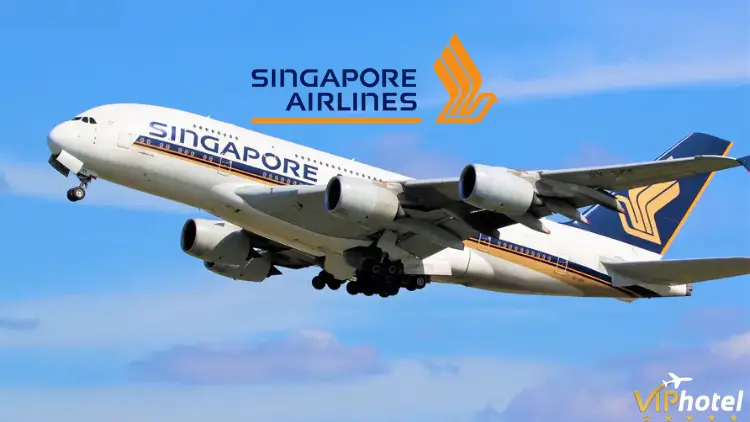
Singapore Airlines is globally renowned not only for its exceptional service quality but also for its outstanding safety record. The airline’s main hub is located at Singapore Changi Airport, one of the world’s leading aviation hubs. Singapore Airlines has been recognized as a five-star airline and has been named the World’s Best Airline five times by Skytrax. Today, it operates flights to more than 60 destinations across over 30 countries, connecting travelers across Asia, Europe, Oceania, and the Americas.
The airline operates a modern and technologically advanced fleet, including aircraft such as the Airbus A350-900, Airbus A380, Boeing 737 MAX 8, Boeing 777-300ER, Boeing 787-10 Dreamliner, as well as the Boeing 747-400 Freighter for cargo operations. These advanced aircraft are equipped with the latest aviation technologies, helping ensure high levels of efficiency, reliability, and safety.
As a member of the Star Alliance, Singapore Airlines maintains codeshare partnerships with more than 36 airlines, greatly expanding its global connectivity. Its frequent flyer program, KrisFlyer, offers premium travel benefits to loyal customers. Passengers holding KrisFlyer Elite Gold or PPS Club status, as well as those traveling in Suites, First Class, or Business Class, can enjoy access to the airline’s SilverKris Lounges and Star Alliance Gold lounges throughout the network.
With its strict operational standards, advanced aircraft fleet, and comprehensive maintenance programs, Singapore Airlines has consistently maintained an excellent safety performance. These factors have helped establish the carrier as one of the safest airlines in the world, trusted by millions of travelers each year.
8. EVA Air
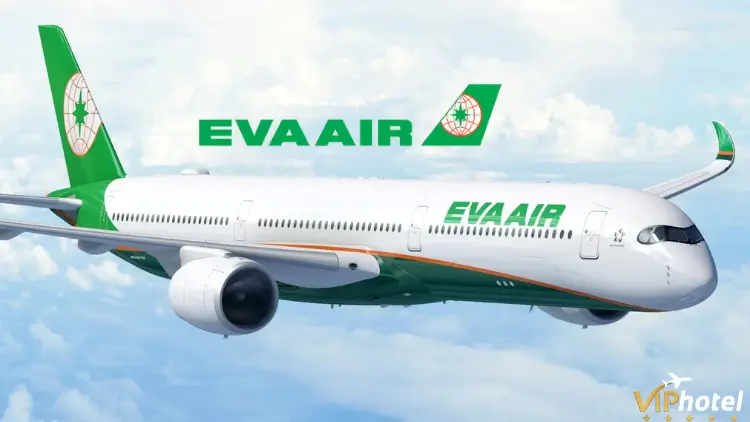
EVA Air, headquartered in Taiwan, is one of Asia’s leading international airlines and a key player in long-haul aviation across the region. The airline operates flights to around 70 destinations within Taiwan, across Asia, and to major cities in Australia, Europe, and North America. As a member of the Star Alliance, EVA Air offers passengers seamless connections to a vast global network through its partner airlines.
EVA Air’s fleet features both three-class and two-class configurations. Depending on the aircraft type, the airline’s premium cabins include Royal Laurel Class and Laurel Class in Business Class, while Premium Economy Class (often branded as Premium Economy) provides enhanced comfort between Business and Economy. Economy Class is available on all flights, ensuring accessible travel options for passengers across its network. In addition, EVA Air operates a regional subsidiary, UNI Air, which primarily serves domestic and regional routes within Taiwan and nearby destinations.
The airline maintains a modern and efficient fleet, including advanced aircraft such as the Boeing 787 Dreamliner and Boeing 777. EVA Air is also recognized for its strict safety management systems, disciplined operational standards, and consistent maintenance programs.
Thanks to its long-term operational stability and strong safety performance, EVA Air is widely recognized as one of the safest airlines in the world, earning the trust of travelers across Asia and beyond.
9. Virgin Australia

Virgin Australia is one of the major airlines in Australia, providing extensive domestic and international connectivity. The airline operates flights to around 70 destinations, including about 50 locations within Australia, as well as international routes to New Zealand, the South Pacific, Asia, Africa, the Middle East, and North America.
Virgin Australia maintains a strong presence at several key aviation hubs, including Auckland Airport (AKL), Brisbane Airport (BNE), Melbourne Airport (MEL), Perth Airport (PER), and Sydney Airport (SYD). In addition, the airline operates Virgin Australia lounges at most major airports across Australia, offering comfortable facilities for eligible passengers and frequent flyers.
The airline operates a modern fleet of aircraft and adheres to strict flight safety standards. Through continuous investment in safety management systems, pilot training, and operational procedures, Virgin Australia has maintained a strong and consistent safety record.
These efforts have helped establish Virgin Australia as one of the safest airlines in the world, recognized for its commitment to reliability and passenger safety in both domestic and international travel.
10. Korean Air
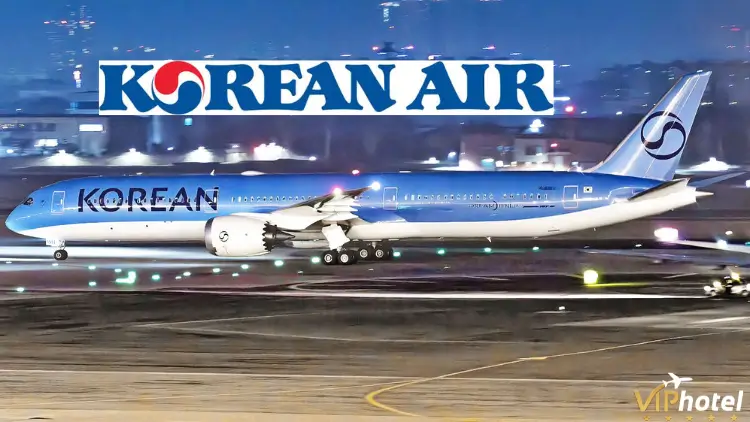
Korean Air is one of the largest airlines in South Korea, known for its extensive global route network and strong presence in international aviation. Headquartered in Seoul, the airline operates direct flights to around 15 domestic destinations in South Korea and approximately 115 international destinations across Asia, Australia, Africa, Europe, North America, and South America.
As a member of the SkyTeam alliance, Korean Air also maintains codeshare agreements with about 35 partner airlines, enabling passengers to access a broad worldwide network through seamless connections.
In recent years, Korean Air has continued to modernize its fleet, introducing advanced aircraft such as the Boeing 787 Dreamliner and other next-generation models. At the same time, the airline has strengthened its flight safety management systems, pilot training programs, and operational standards, further enhancing its overall safety performance.
With its continuous fleet upgrades and commitment to high operational standards, Korean Air has steadily improved its safety ratings and is widely recognized as one of the safest airlines in the world.
Related Articles:
- United Airlines Premier Fast Track to Platinum
- Fast Track to United Airlines Premier 1K
- United Airlines Premier Fast Track to Gold
- Delta Skymiles Fast Track to Platinum
- United Plus Points: How to Earn & Use Them
- American Airlines AAdvantage Fast Track to Platinum
- SkyTeam Elite Plus: Status, Perks & Upgrades
Why These Airlines Are So Safe
The airlines ranked among the safest in the world consistently maintain high safety ratings due to several key factors. These factors reflect strong operational standards, advanced technology, and strict regulatory compliance across the aviation industry.
- Modern Fleets
Many of these airlines operate newer aircraft equipped with the latest aviation safety technologies, advanced avionics, and improved flight control systems, which significantly enhance operational reliability. - Strict Pilot Training
Pilots undergo rigorous and continuous training, including regular simulator sessions and emergency scenario exercises, ensuring they are well-prepared to handle complex flight situations. - Advanced Flight Monitoring Systems
Modern airlines use real-time flight data monitoring systems that allow engineers and safety teams to track aircraft performance and identify potential issues before they become serious risks. - Strong International Regulation
Airlines must comply with strict global aviation safety standards established by international aviation authorities, ensuring consistent operational and safety practices worldwide. - Comprehensive Aircraft Maintenance Programs
Aircraft are subject to frequent inspections and scheduled maintenance to ensure every system functions properly and that planes remain in optimal operating condition.
Together, these factors enable top airlines to maintain excellent safety records and provide passengers with one of the safest modes of transportation in the world.
How to Choose a Safe Airline?
For frequent travelers, if you want to pay closer attention to flight safety when booking a ticket, it is important to evaluate airlines from multiple perspectives. Although the overall safety level of the global aviation industry has improved significantly, some airlines still stand out in areas such as fleet management, operational standards, and safety records. If you want to choose one of the safest airlines in the world, the following suggestions may help guide your decision.
1. Choose well-known major airlines
Large international airlines usually have more comprehensive management systems and stricter operational standards. They also possess extensive flight experience and invest heavily in aircraft maintenance, pilot training, and safety supervision. Because of these resources and strict procedures, major airlines generally maintain extremely low accident rates and higher overall safety performance.
2. Check airline safety ratings
Before booking a flight, it can be helpful to review professional safety ratings and annual airline rankings published by industry organizations such as AirlineRatings.com. These rankings evaluate airlines based on factors such as historical accident records, fleet operations, international safety certifications, and operational performance. For frequent travelers, these assessments provide valuable reference information when comparing airlines.
3. Learn about the airline’s fleet age
The average age of an airline’s fleet is also an important indicator. Airlines with newer fleets typically operate aircraft equipped with more advanced aviation technologies, which can improve overall safety, reliability, and operational stability.
4. Prioritize newer aircraft models
If possible, consider choosing flights operated by new-generation aircraft, such as the Boeing 787 Dreamliner or Airbus A350. These modern airliners feature advanced flight-control systems, improved aerodynamics, and enhanced safety technologies, making them among the most reliable aircraft in commercial aviation today.
5. Pay attention to an airline’s overall reputation
An airline’s public reputation and passenger reviews often reflect real travel experiences. Airlines that consistently maintain high service quality and stable operations usually also enforce strict standards in safety management, making them more trustworthy choices for travelers.
In short, travelers should consider factors such as an airline’s safety history, fleet composition, industry reputation, and professional safety ratings. By reviewing these aspects carefully, passengers can make well-informed decisions when choosing among the safest airlines in the world, ensuring a journey that is not only comfortable but also secure and reliable.
What You Need to Know About Airline Status Upgrades
In today’s global air travel system, most airlines join major airline alliances to offer passengers a wider route network and more membership benefits. Currently, the three largest airline alliances in the world are Star Alliance, Oneworld, and SkyTeam. These alliances connect airlines from different countries, allowing travelers to earn and redeem miles across multiple member airlines, as well as share benefits such as airport lounge access, frequent flyer points, and elite status privileges.
For frequent travelers, having elite status with an airline can significantly enhance the travel experience. Benefits often include priority check-in, additional baggage allowance, airport lounge access, and priority boarding, making journeys smoother and more comfortable.
However, under traditional systems, earning elite status usually requires accumulating a large number of flight miles or completing many flights, which can be difficult for travelers who do not fly frequently or have limited time. In such cases, professional upgrade services can provide a more efficient solution.
For example, the Fast Track elite upgrade service offered by VIP Hotel Flights focuses on helping travelers achieve airline elite status more quickly. The service works with several well-known airlines, including United Airlines, Turkish Airlines, Delta Air Lines, ITA Airways, American Airlines, and Alaska Airlines.
Through this fast-track upgrade channel, travelers can obtain airline elite status more easily without going through the traditional “flight challenge” process or spending years accumulating miles. Compared with conventional methods, this approach is often more efficient and time-saving, helping travelers enjoy premium travel benefits much sooner.
If you travel frequently but have limited time to accumulate miles, and you want to experience the advantages of airline elite membership as quickly as possible, choosing a fast-track upgrade option may be a convenient and practical solution.
What are the safest airlines?
The safest airlines are carriers that consistently demonstrate the highest standards in flight safety, aircraft maintenance, pilot training, and operational management. These airlines typically operate modern fleets equipped with advanced technology, follow strict international aviation regulations, and maintain strong safety records over many years. Independent aviation safety organizations evaluate factors such as accident history, fleet age, safety audits, and operational performance to rank airlines globally. Well-known examples often cited among the safest include Qantas, Air New Zealand, Singapore Airlines, Emirates, and Cathay Pacific, all of which are recognized for maintaining strong safety cultures and investing heavily in modern aircraft and rigorous training programs.
What are the safest airlines in the US?
Delta Air Lines – Known for its long-standing safety record, modern fleet, and rigorous pilot training programs, Delta consistently ranks among the safest U.S. carriers.
Alaska Airlines – With a focus on operational reliability and advanced fleet management, Alaska Airlines maintains one of the strongest safety performances in the country.
Hawaiian Airlines – Combining a modern fleet and strict maintenance standards, Hawaiian Airlines is recognized for its excellent safety record on both domestic and international routes.
United Airlines – United Airlines emphasizes comprehensive safety systems, ongoing pilot training, and advanced flight monitoring, making it a top choice for secure air travel.
American Airlines – Operating a large, modern fleet with robust safety protocols, American Airlines maintains a high standard of operational safety across its global network.
Southwest Airlines – Renowned for its consistent operational performance and strong safety culture, Southwest continues to be one of the safest airlines in the U.S. for domestic travel.
JetBlue Airways – JetBlue combines modern aircraft, strict maintenance routines, and advanced flight control systems, earning recognition as a safe and reliable airline.
Allegiant Air – Allegiant Air has made significant improvements in fleet modernization and operational safety standards, contributing to a strong safety reputation in the U.S.
What are the top 10 airlines with the most crashes?
Here is the full list of 12 airlines with the highest number of recorded crashes:
Air France – 11 accidents
American Airlines – 11 accidents
China Airlines – 9 accidents
Korean Air – 9 accidents
Pakistan International Airlines – 8 accidents
United Airlines – 7 accidents
Egyptair – 6 accidents
Ethiopian Airlines – 6 accidents
Thai Airways – 6 accidents
American Eagle – 5 accidents
Continental Airlines – 5 accidents
Lufthansa – 5 accidents
Which is safer, Airbus or Boeing?
Overall, both Airbus and Boeing’s aircraft are regarded as very safe. Currently, no clear data indicates which one is safer. The modern aircraft of Airbus and Boeing must comply with strict international aviation safety standards specified by regulatory agencies such as the Federal Aviation Administration of the United States and the European Aviation Safety Agency. The so-called safety of these aircraft depends on factors such as the maintenance procedures of airlines, pilot training, and operational management, rather than the aircraft manufacturers themselves.
Which Are the Safest Airlines in Europe?
Europe has one of the most strictly regulated aviation industries in the world. Many European airlines maintain excellent safety records thanks to modern fleets, rigorous pilot training, and strong operational standards. Some of the safest airlines in Europe include:
Lufthansa – Germany’s flagship carrier known for its advanced fleet and high safety standards.
Finnair – A highly reliable Nordic airline with a strong reputation for operational safety.
KLM Royal Dutch Airlines – One of the world’s oldest continuously operating airlines with a long history of safe operations.
Swiss International Air Lines – A premium European airline recognized for strict safety procedures and strong management.
British Airways – One of Europe’s largest airlines, operating a modern fleet and maintaining solid safety records.
Overall, these airlines consistently rank among the safest in Europe due to their modern aircraft, strict maintenance standards, and comprehensive safety management systems.
Which Are the Safest Airlines in the Middle East?
The Middle East is home to several world-class airlines known for their modern fleets, advanced safety technology, and strong operational standards. Some of the safest airlines in the Middle East include:
Etihad Airways
Qatar Airways
Emirates
Saudia
Oman Air
These airlines are known for operating modern aircraft fleets, strict safety management systems, and highly trained flight crews, helping them maintain strong global safety reputations.
Which Are the Top 10 Safest Low-Cost Airlines in 2026?
HK Express
Jetstar Airways
Ryanair
flydubai (now considered a full-service airline and will be evaluated as such in future publications)
**easyJet Group
Southwest Airlines
airBaltic
VietJet Air
Wizz Air Group
AirAsia Group
Which Are the Safest Airlines in Asia?
Asia is home to several world-class airlines known for their strong safety records, modern aircraft fleets, and strict operational standards. Some of the safest airlines in Asia include:
Cathay Pacific
Singapore Airlines
EVA Air
Korean Air
All Nippon Airways
Japan Airlines
These airlines consistently maintain excellent safety records, advanced aircraft technology, and rigorous pilot training programs, making them some of the safest carriers in the Asian aviation industry.
Which airline is the safest in the world?
According to statistics, Etihad Airways ranked first in 2026.
Are low-cost airlines safe?
Most low-cost carriers meet international safety standards, though their service and fleet composition may differ from full-service airlines.
Are airplanes really safe?
Air travel remains one of the safest modes of transportation in the world.
Conclusion
In conclusion, aviation safety remains one of the most important standards in the global airline industry. Airlines featured on the safest airlines in the world list consistently maintain outstanding safety records, thanks to their modern fleets, rigorous pilot training, and strict maintenance procedures. Continuous technological advancements and robust international regulations also contribute to their exceptional safety performance. We can be confident that air travel continues to be one of the safest modes of transportation today. Choosing an airline with the highest safety standards can make your journey more comfortable, reliable, and secure.


